

Author: Stanley Ford McGregor
Welcome to your locally tailored maintenance guide, designed specifically for drivers in McGregor and surrounding areas like Waco, Temple, Killeen, and Georgetown. At Stanley Ford McGregor, we understand the unique driving conditions you face, from the bustling streets of Main Street to the scenic routes along US-84. With decades of service experience, we’ve crafted this guide to align with our local climate and roadways, ensuring your Ford vehicle remains reliable and ready for whatever your day brings.
Whether you’re commuting to work or heading out for a weekend adventure, this guide takes into account the needs of McGregor drivers, helping you navigate the recommended service schedule with confidence. After all, maintaining your vehicle’s performance is key to enjoying everything our vibrant community has to offer.
Why Should You Follow a Maintenance Schedule for Your Ford?
Following a maintenance schedule is crucial for protecting your investment and ensuring your Ford remains dependable for daily commutes around McGregor and beyond. In our hot and humid Texas climate, your vehicle faces unique challenges—from the summer heat that strains fluids and wears down belts to the high pollen counts in spring that can clog air filters. Regular service is essential to address these local conditions and keep your Ford running smoothly.
Adhering to a maintenance schedule directly enhances your vehicle’s performance, fuel efficiency, and safety. For instance, a well-maintained Ford F-150 is better suited for navigating stop-and-go traffic on Main Street or quick trips to the Lake Waco Wetlands. It’s not just about avoiding breakdowns; it’s about ensuring your truck operates as designed, providing you with peace of mind on every drive. For further insights on vehicle care, resources like Edmunds offer a wealth of information.
How Does Ford’s Service Reminder System Work?
Many Ford vehicles feature a service reminder system that alerts drivers when it’s time for maintenance. Depending on the specific model and year, this reminder may be based on a straightforward time or mileage counter, or it could adjust based on how the vehicle has been used. This flexibility helps ensure that you stay informed about your vehicle’s maintenance needs.
When it’s time for service, you might notice a dashboard message, a service indicator (like a wrench light), a maintenance reminder, or an oil-life percentage displayed. Since the specifics can differ by model and year, it’s crucial to consult your owner’s manual for the exact details. Keep in mind that local driving patterns around McGregor, including short trips on US-84 or stop-and-go traffic in Waco and Temple, can influence how often maintenance is necessary.
What Does the Primary Service Reminder Mean?
Following our overview of service reminders, it’s essential to grasp what the primary service reminder indicates. This reminder serves as a crucial alert that scheduled maintenance is either due soon or imminent. Depending on the vehicle, it may present as a simple notification or a more detailed display through a maintenance menu. Since the specifics can differ across models and years, it’s advisable to consult your owner’s manual or the in-vehicle maintenance screen for precise information on what services are required.
Primary reminder: This is a general notification to check your vehicle’s scheduled maintenance recommendations and prepare for necessary servicing. It signals that maintenance is approaching, though it may not specify individual service items.
Additional details (if shown): Some vehicles may provide further insights—like a maintenance screen, percentage indicators, or descriptive messages—that clarify what needs attention. If your vehicle includes these features, use them along with the owner’s manual to confirm the recommended services.
What Do Additional Service Indicators Mean?
Many vehicles come equipped with additional service indicators that go beyond the primary service reminder. These indicators can appear as extra items, symbols, or menu entries, providing more specific guidance on upcoming maintenance needs. While the details may vary by vehicle, the examples below reflect common service items you might see. Always consult your owner’s manual or vehicle display for precise meanings.
- Tire rotation: Regular tire rotation helps ensure even tread wear and stable handling. For drivers making frequent short trips or navigating the stop-and-go traffic in McGregor and nearby Waco, this can greatly extend tire life.
- Engine and cabin air filters: The engine air filter promotes optimal airflow, while the cabin filter enhances interior air quality. In areas with seasonal pollen and dust, like McGregor, these filters can become clogged sooner than expected.
- Transmission fluid: Some vehicles may prompt for transmission fluid checks as part of routine maintenance. Frequent short trips or hilly driving in and around Temple and Killeen can lead to increased transmission heat.
- Spark plugs and valve clearance check (when applicable): Certain engine designs require spark plug replacements and may suggest valve clearance checks at specific intervals, especially as mileage increases.
- Engine coolant: Coolant is essential for regulating engine temperature and preventing overheating. Hot weather and extended driving, common during summer trips to Lake Waco Wetlands, can raise the demand on your cooling system.
- Rear differential fluid (AWD/4WD, if equipped): For vehicles with all-wheel or four-wheel drive, maintaining differential fluid is crucial. Driving in wet or uneven conditions, often encountered in McGregor, can add stress to these components.
- Brake fluid: As brake fluid ages, it can absorb moisture, which may compromise braking effectiveness. If your vehicle indicates brake fluid service, adhere to the specified intervals based on your model and driving conditions.
What is a Typical Ford Service Schedule for Mcgregor Drivers?

For McGregor drivers, understanding a typical service schedule can be a valuable resource, even if your vehicle includes service reminders or maintenance menus. This outline serves as a helpful reference to complement your owner’s manual and any in-vehicle guidance (if available).
What Services Are Needed in the First 30,000 Miles?
During the first 30,000 miles, Ford drivers typically focus on fundamental services like routine oil changes, tire rotations, and air filter maintenance. The timing for these services can vary based on the specific Ford model, driving habits, and the maintenance guidelines provided in the owner’s manual.
Oil service: If your routine includes frequent short trips or stop-and-go traffic—like navigating through McGregor or commuting to Waco and Temple—your oil service may come up sooner than for those who primarily drive on highways.
Tires and filters: Tire rotations are often performed regularly to ensure even wear. Additionally, engine and cabin air filters should be checked consistently. In areas with high pollen, dust, or construction debris, such as around Killeen and Georgetown, these filters can become clogged more quickly.
What Maintenance Should Be Done Between 30,000 and 60,000 Miles?
As your Ford vehicle reaches the 30,000 to 60,000 mile mark, maintenance transitions from basic upkeep to more in-depth services that protect essential systems. Services such as transmission fluid changes, brake fluid replacements, and tire and brake inspections become increasingly important. The specific timing for these services varies by model and driving conditions, so it’s crucial to refer to your owner’s manual and any in-vehicle maintenance alerts for accurate guidance.
Transmission fluid: Maintaining clean transmission fluid is vital for ensuring smooth gear shifts and the long-term reliability of your vehicle’s transmission, especially if you’re towing or driving in hilly areas.
Brake fluid, brakes, and tires: Brake fluid replacement is typically advised on a time-based schedule, as it can deteriorate even if the vehicle isn’t driven much. Regular inspections of your brakes and tires become increasingly crucial as you hit these mileage milestones. Whether you’re commuting through the industrial zones of McGregor or cruising along Bluebonnet Parkway, having reliable brakes and tires is essential for safe driving. For further insights on vehicle reliability and owner satisfaction across various models, feel free to check out Consumer Reports.
What Major Services are Required Approaching 100,000 Miles?
As your Ford vehicle nears the 100,000-mile mark, it’s common to consider several key maintenance services. These services can significantly improve your vehicle’s longevity and performance, but the specific requirements can vary by model and engine type. Always consult your owner’s manual and any in-vehicle maintenance reminders for tailored guidance.
Spark plug replacement: Replacing spark plugs can enhance fuel efficiency and ensure a smooth driving experience. Worn spark plugs can lead to rough idling and decreased performance, so staying proactive can help maintain reliability and save you money at the pump.
Coolant service: A coolant flush or replacement can protect your engine from overheating and corrosion. Keeping these services up to date not only supports your vehicle’s reliability but also helps maintain its resale value.
Why is Local Expertise Important for Servicing Your Ford?
At Stanley Ford McGregor, we understand that servicing your Ford isn’t a one-size-fits-all approach. Local climate conditions, like the intense summer heat and humidity, can significantly impact vehicle performance. For instance, the persistent moisture can strain the cooling systems, while pollen in the air can clog filters more quickly than in other regions. Our technicians are adept at recognizing the specific wear patterns from driving on local roads, whether it’s the stop-and-go traffic on Main Street or the rural stretches along US-84, ensuring your Ford is ready for every unique challenge McGregor’s environment presents.
In addition to environmental factors, our team constantly monitors local traffic patterns and the effects of clay soils on tires and suspensions. This localized knowledge not only helps in identifying potential issues early but also builds trust with our customers. For further insights on vehicle safety and maintenance, you can explore resources from the National Highway Traffic Safety Administration (NHTSA) and the official Ford Owners site for model-specific guidance.
Frequently Asked Questions (FAQs)
How often should I really change my oil in McGregor’s climate?
Your vehicle’s service reminder or owner’s manual is the best guide for oil change intervals, which can vary based on driving conditions. Generally, in our hot, humid summers, local drivers find that oil changes are needed depending on their vehicle and oil type.
Are all-season tires enough for the McGregor area?
Most of the year, quality all-season tires provide reliable traction for the typical weather in McGregor, including rain and mild winters, making them suitable for everyday driving.
Does commuting on local highways affect my service intervals?
Absolutely. Frequent stop-and-go traffic on Main Street or US-84 can put extra stress on your engine and brakes compared to smoother highway driving. If your vehicle has a service reminder, it may prompt you for maintenance sooner due to these conditions.
With all the pollen, how often should I change my cabin air filter?
It’s advisable to inspect your cabin air filter regularly, especially after the spring pollen season. Many drivers in McGregor find that replacing it helps maintain clean air inside their vehicles.
Is AWD worth it for this area?
AWD can be a great asset for navigating McGregor’s sudden rain showers, enhancing stability and traction on wet roads. This feature offers added confidence, especially for those commuting to Waco or heading out on weekends.
My vehicle doesn’t have a service reminder system. What schedule should I follow?
If you have an older model without a reminder system, a solid rule is to change the oil regularly. Always refer to your owner’s manual for specific service intervals for filters and fluids.
About Stanley Ford McGregor
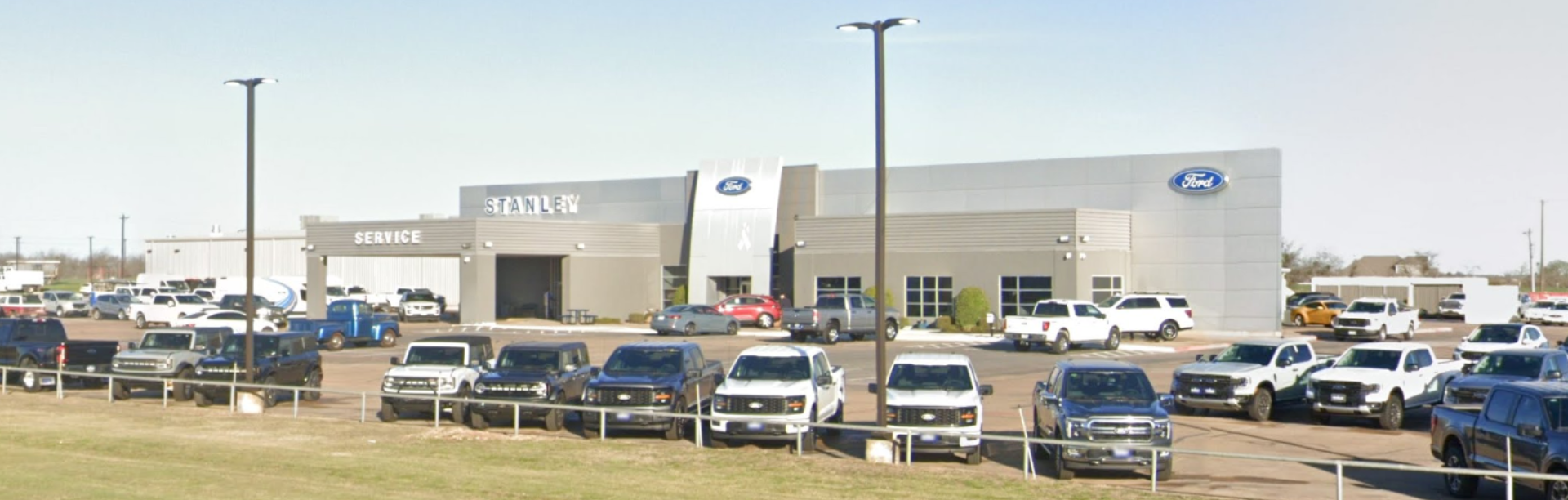
As Stanley Ford McGregor, we have proudly served the McGregor, Waco, and Temple communities since 2001, establishing a legacy of automotive excellence built on the “Stanley tradition.” Our expertise is deeply rooted in being a key part of the Stanley Auto Group, which has spent over two decades mastering the Ford lineup to provide top-tier sales, finance, and certified service to Central Texas drivers. We distinguish ourselves as a regional authority through our specialized Ford Mobile Service and Quick Lane facilities, ensuring our technical proficiency is matched by unparalleled convenience for our neighbors. Beyond our showroom, we demonstrate our local commitment through active community involvement and sponsorship requests, proving that we are as invested in the growth of McGregor as we are in the performance of your vehicle. By combining decades of industry knowledge with a customer-first philosophy, we serve as the definitive experts for anyone seeking a reliable and high-performing Ford vehicle.
Related Articles:
The Ultimate Guide to Finding the Best Ford Dealer in McGregor, TX
Connect with us


